CN
CN





Increasing production rates
Controlling supply on all production lines
Ramping up Airbus suppliers
Deploying Industry 4.0 processes, tools, methods and technology
Acquiring and integrating new skills (digital, data science, networks, etc.)


The aerospace industry is at the forefront of innovation, pushing the boundaries of what is possible in the realm of air travel. Driven by the need for faster, more efficient, and more comfortable flight, challenged by environmental constraints, aerospace engineers are continuously exploring new technologies and materials to create the best possible product. From advanced materials and engines to cutting-edge avionics and navigation systems, the aeronautics industry is constantly striving to make air travel safer, more convenient and enjoyable.

The aerospace industry has come under scrutiny in recent years for its CO2 emissions. Current projections estimate that demand for air transport in 2050 could exceed 10 billion passengers. To meet this demand in a sustainable fashion, the industry is making considerable efforts to move towards decarbonization, with a commitment to net-zero emissions by 2050. Hydrogen-powered aircraft, electrification and new fuels are just some of the innovative technologies that are expected to make this possible, together with design and engineering innovations and the improved industrial management of development cycles.
As a partner to most aerospace industry stakeholders, ALTEN is driving the major projects currently taking place and helping shape the digital transformation in this industry. ALTEN’s unique market position also gives the company insider insights into new market entrants, alliances, and other major shifts that are changing the business environment. ALTEN supports the transformation of its customers in the aerosapce industry by participating in their innovation strategy. The Group supports manufacturers and equipment suppliers in the deployment of new technologies, from the factory to the supply chain, as well as in customer service and airlines. With its expertise in business processes and digital technologies, ALTEN offers innovative solutions to aerospace players, ranging from predictive maintenance to collaborative customer service platforms.
Increasing production rates
Controlling supply on all production lines
Ramping up Airbus suppliers
Deploying Industry 4.0 processes, tools, methods and technology
Acquiring and integrating new skills (digital, data science, networks, etc.)
Combining business knowledge and digital skills
Structuring and interconnecting data sources to render them more useful
Succeeding in managing change within the company (scaled agile, end-to-end…)
Reducing the “time to market” by optimizing development schedules
Integrating electric propulsion (hybrid propulsion, electric drive mode, etc.)
Ensuring the continuity of smart services for passengers (from the airport to the aircraft)
Introducing new materials and new manufacturing techniques (e.g.: 3D printing)
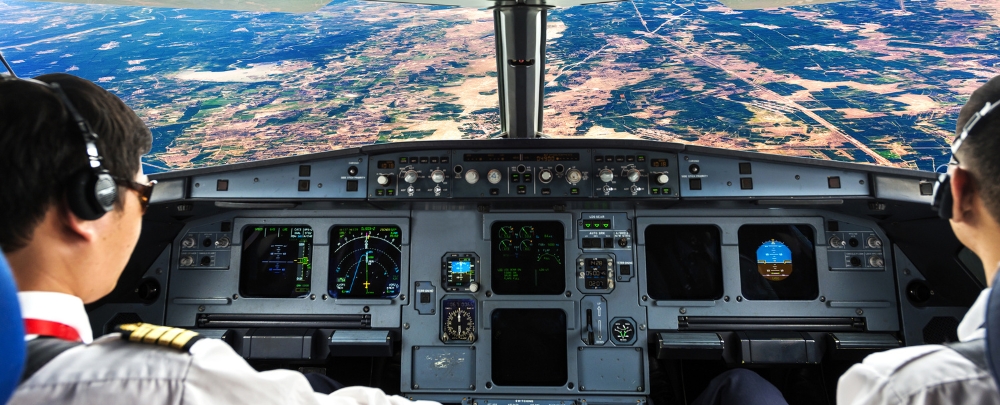
Aerostructure (design, stress, DMU integration)
Cabin
System design (avionics, maintenance, electrics, landing gear, propulsion)
Software development
Testing
Process (configuration, MBSE, certification, airworthiness)
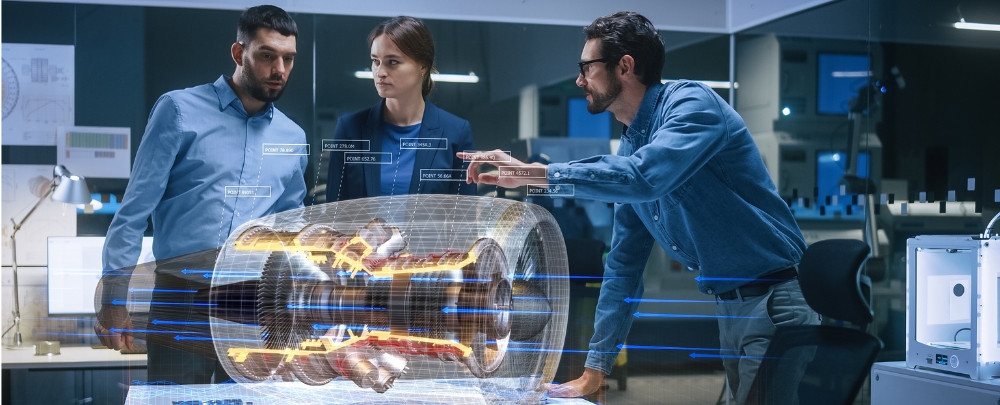
Work preparation: routings, industrial process design, jigs & tools
Manufacturing Engineering performance: Operational excellence, lean/6 sigma
Logistics
Quality
Supply chain & Supply chain quality
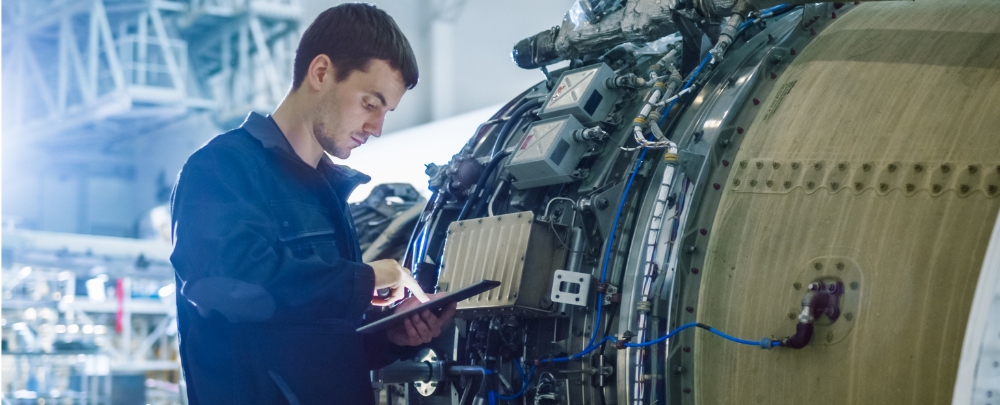
Engineering & Maintenance
Technical docs & service bulletins
Training & Flight ops
Operation & services
Customer digital solutions
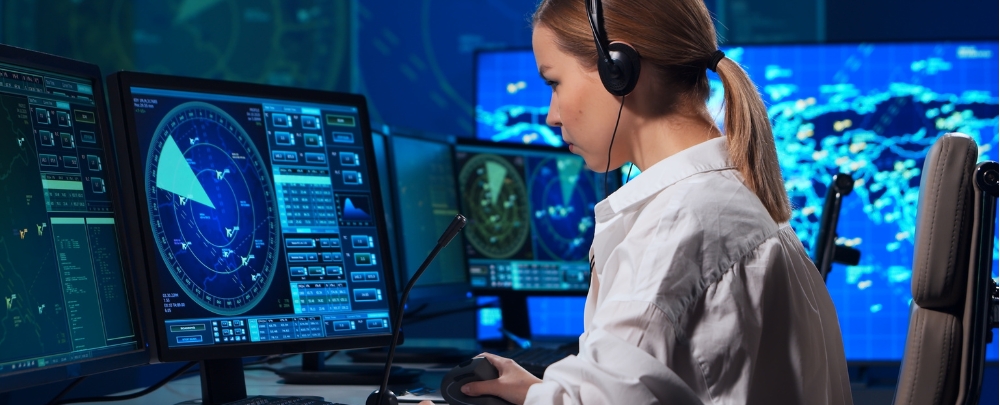
Digital transformation
PLM integration project
Development applications (cloud SW, Portal)
Infrastructure & cloud
Extended enterprise
Digital workspace
Cybersecurity